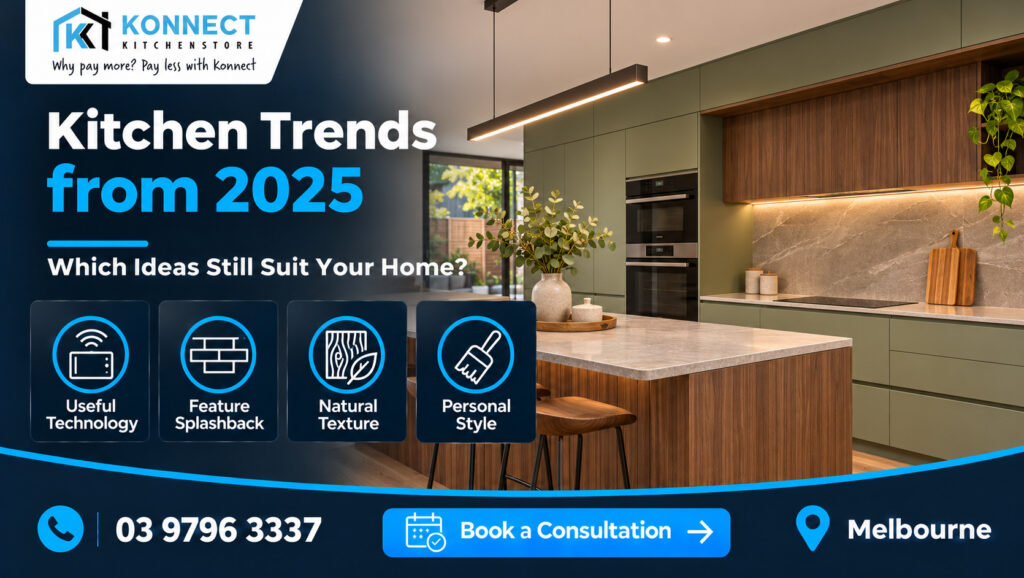
The ideas in our 2025 kitchen trends article included connected technology, natural-looking finishes, streamlined cabinetry and personalised storage. Their usefulness now depends on how they fit your home. In a kitchen redesign, assess the individual choices before carrying an older inspiration board into a new design.
This review revisits the themes featured in that article. It separates the idea you may still enjoy from the product and installation details that need to be checked for a current project.
Connected features need a useful everyday job
The original technology theme focused on connected appliances, voice controls and automated functions. A feature is worth considering when it helps with a task you actually perform.
List the benefit in plain language. Perhaps you want a particular appliance control or a convenient lighting setting. Then check the model’s current functions and requirements.
Consider how it works without the connected feature, who supports it and whether it depends on a separate subscription or service. Avoid choosing the whole kitchen around a function that you are unlikely to use.
A feature splashback still needs practical assessment
A distinctive splashback can add colour, pattern or texture to otherwise simple cabinetry. The visual idea remains something you can evaluate through samples.
The selected material also needs to suit the cooking area, substrate and planned installation. Check care requirements and the details around joints, edges and fittings.
An existing surface cannot automatically be covered simply because an earlier article suggested overlaying it. Have the condition and the proposed system assessed before deciding how the splashback will be updated.
Evaluate material claims at product level
The earlier environmental theme brought together several different ideas: retaining resources, selecting materials and considering appliance use. Each needs its own evidence.
Ask for information about the exact product under consideration. General phrases such as environmentally friendly or natural do not establish how a material is made or how it performs.
Useful questions include:
- What supports the stated recycled-content or sourcing claim?
- What care and repair options apply to this product?
- Can suitable existing components be retained?
- What does the product documentation say about its intended use?
This approach allows you to compare evidence alongside appearance and cost. It avoids treating an attractive label as a complete specification.
Streamlined cabinetry works when storage supports it
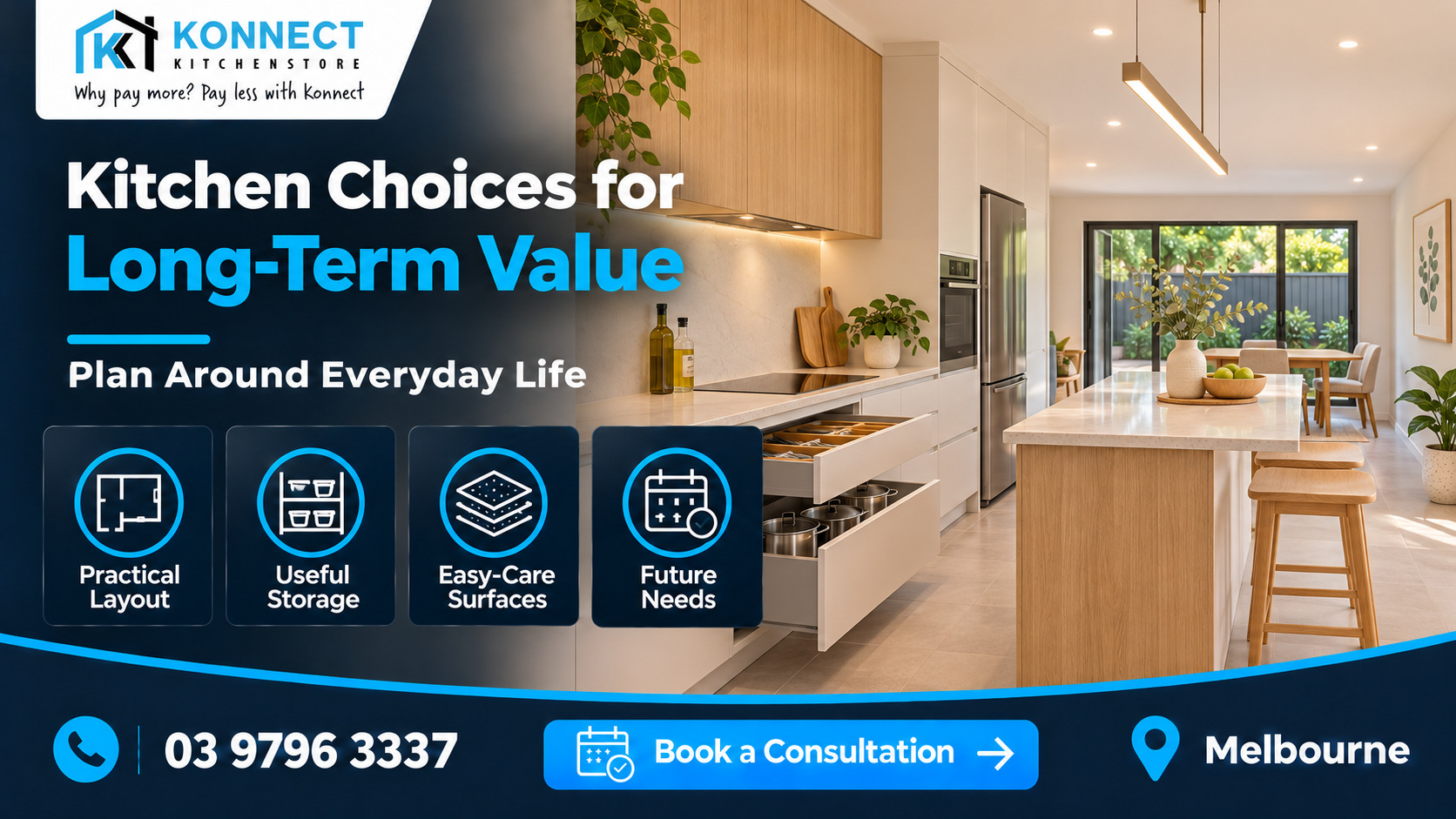
Plain fronts, restrained handles and concealed storage were part of the 2025 article’s minimalist direction. They can create a coherent appearance when the working details are also considered.
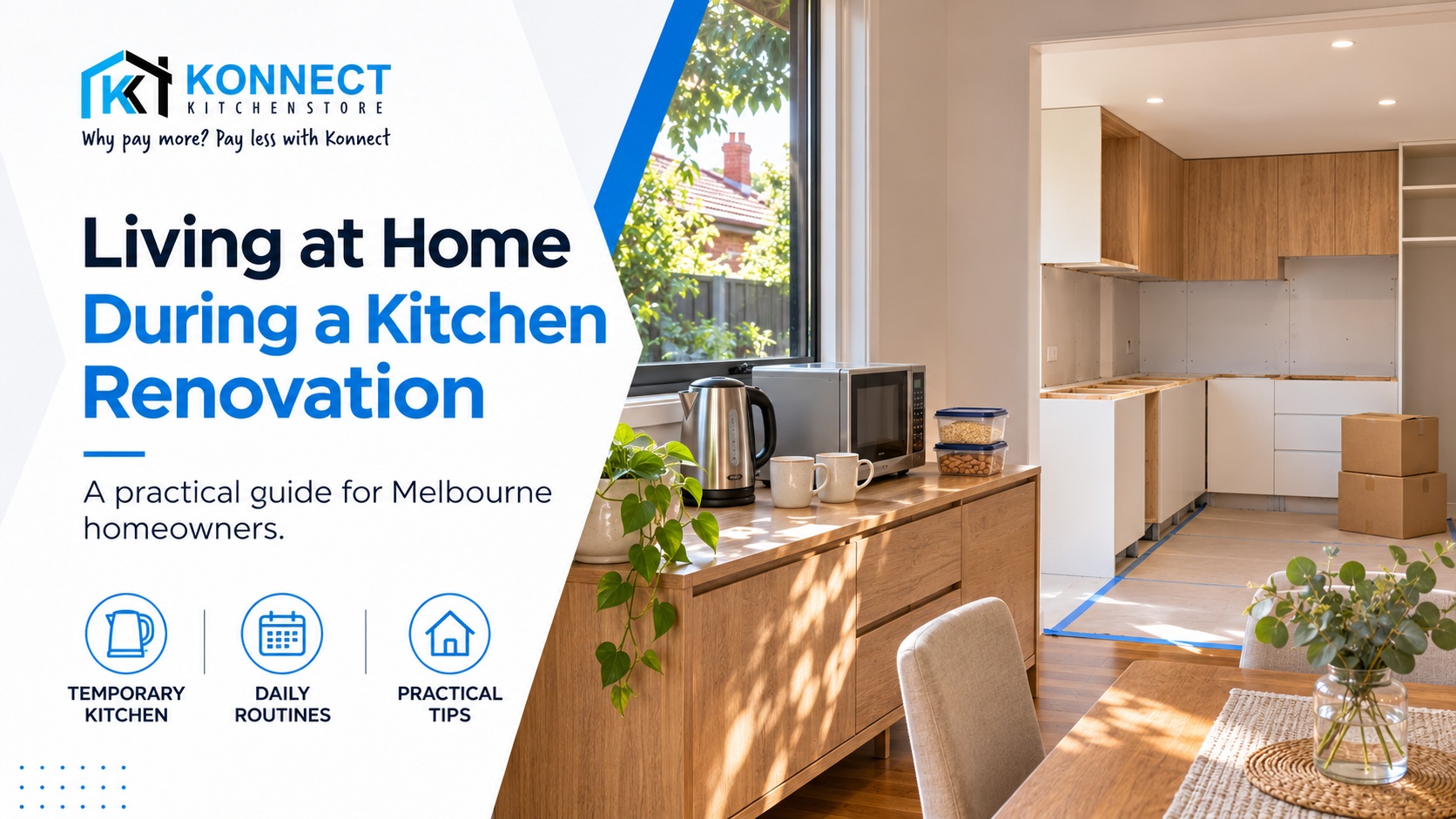
Inventory what needs to be stored and decide where you want to access it. A clear bench relies on appropriate storage for the items moved off it.
Try the proposed opening method and check the internal arrangement. An uninterrupted cabinet line is most useful when the everyday contents remain easy to reach.
Natural-looking detail needs balance
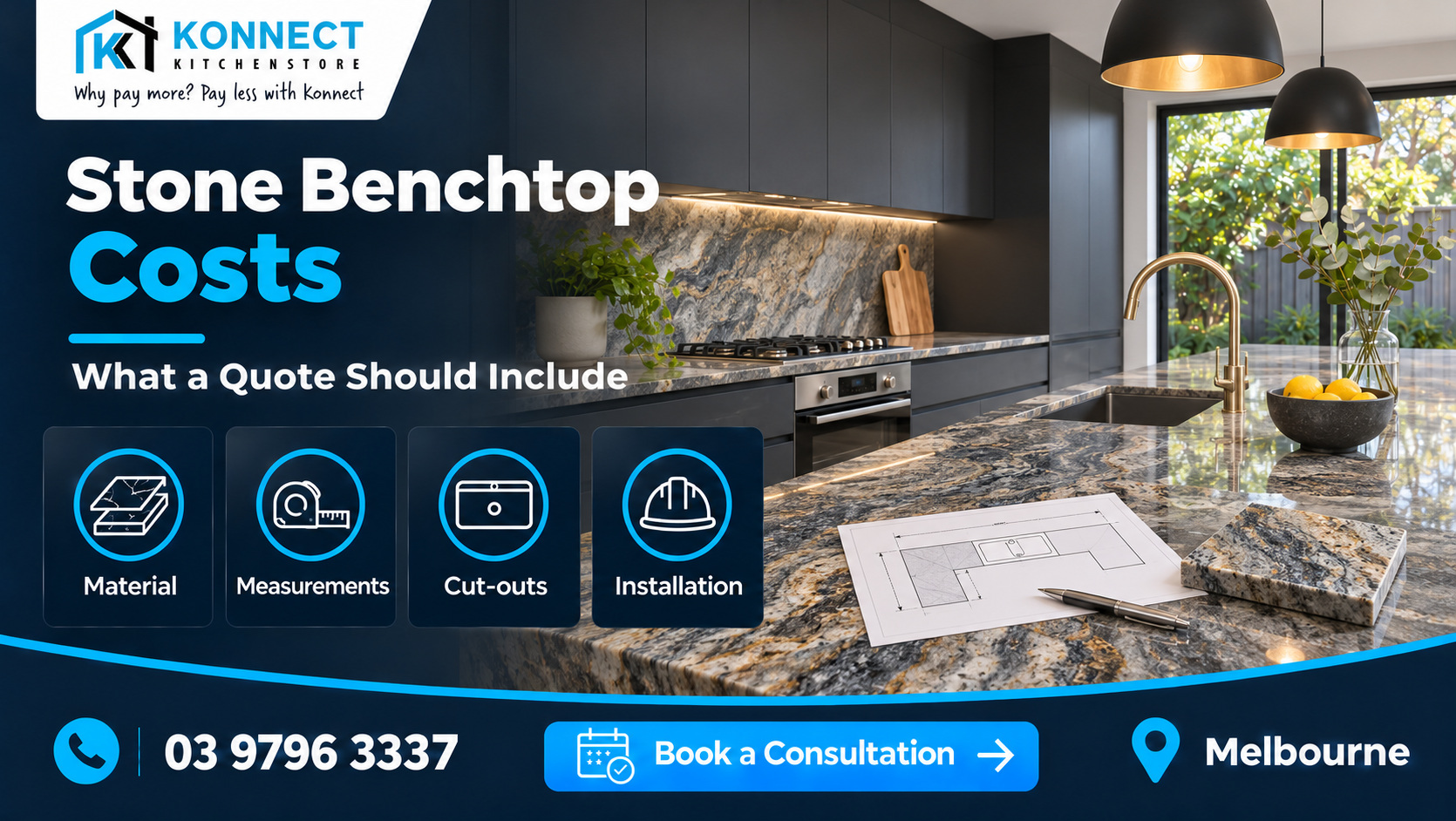
Timber tones, stone appearances and nature-inspired colours can add warmth. Their effect depends on the combination, rather than on using every element together.
Compare samples in the kitchen’s actual light and against fixed finishes such as flooring. Check whether the proposed patterns and undertones support one another.
A material’s appearance and care needs are separate questions. A surface selected for its natural character still needs to be suitable for your cooking and cleaning routine.
Personalisation is more specific than adding features
The earlier article encouraged customised cabinetry, distinctive hardware and personal colour selections. Begin with what makes your household’s use of the room different.
That may be storage for baking equipment, a practical coffee area or an accessible place for everyday dishes. Explain the requirement before selecting the fitting.
Personalisation can also mean keeping the design simple. You do not need unusual cabinetry throughout the room to make the kitchen reflect how you live.
Refresh an older inspiration board thoughtfully
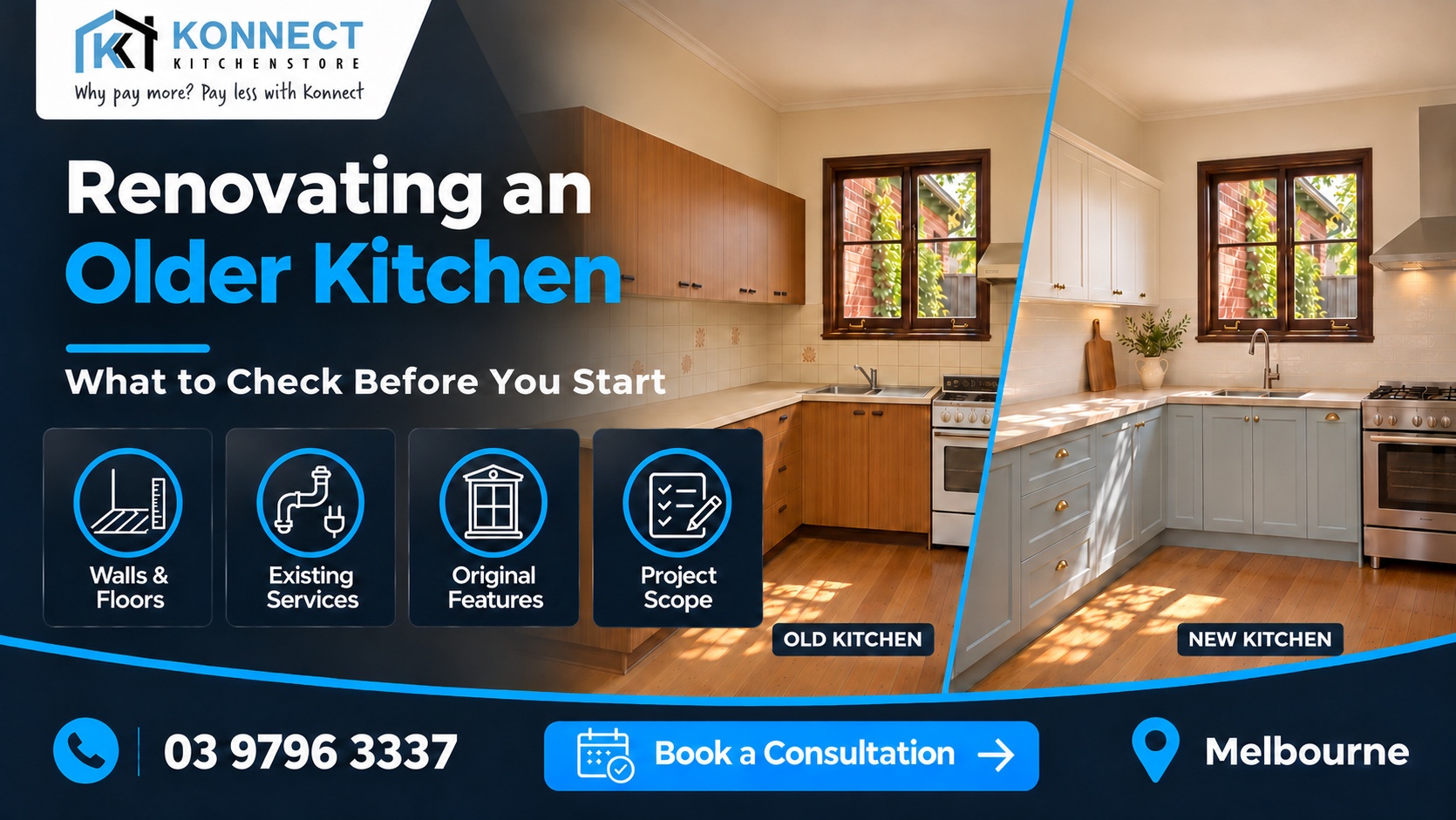
Keep the images you still like and label the specific detail in each one. Separate appearance from function so the designer knows what you want to carry forward.
For example, a photograph might show the timber tone you enjoy while containing an appliance arrangement that would not suit your room. Preserve the useful idea and reassess the rest.
The kitchen renovation ideas add another set of possibilities, while the practical decision remains the same: which details belong in your own project?
Frequently Asked Questions
Can I still use kitchen inspiration from 2025?
Yes. An idea does not become unsuitable because its article has an older date. Identify what you like, then check whether the dimensions, materials, appliances and installation requirements suit your current project. An older image can remain useful without being copied in full.
What themes did the 2025 kitchen trends article cover?
It discussed connected technology, statement splashbacks, environmental considerations, streamlined cabinetry, natural-looking elements and personalisation. This review assesses those themes as design ideas. It does not establish that each one was adopted by the same proportion of homes.
Are smart kitchen features worth keeping in the design?
They can be when they provide a benefit you expect to use and their requirements suit the household. Check the exact model, controls and support arrangements. A connected feature should be assessed like any other product choice, including how it works during ordinary daily use.
Does a natural-looking kitchen automatically have a lower environmental impact?
No. Appearance does not establish the sourcing, manufacturing or whole-life impact of a product. Ask for evidence about the specific claims important to you. Consider maintenance and retaining suitable existing components as part of the decision, rather than relying on the look alone.
Can I conceal any fridge or dishwasher behind cabinet doors?
No. Full integration needs an appliance designed for the proposed installation, together with suitable cabinetry and panels. Check the exact model’s documentation. A freestanding appliance should not be treated as panel-ready simply because its visible dimensions appear to fit.
How can I personalise a kitchen without making it visually busy?
Start with storage and fittings that suit your routine, then choose a restrained palette and a few details you enjoy. Personalisation can happen inside cabinets as well as on their fronts. The whole room does not need a different feature on every surface.
Keep the idea and check the specification
Bring Konnect Kitchen Store the older kitchen images you still like, with a note identifying the detail you want to retain. Our Hallam team can discuss how that idea translates into a current, project-specific selection. Contact us to review your inspiration, or call 03 9796 3337.